
Healthy Food Choices for Women
Discover how nutrition shapes wellness, energy, and vitality at every stage of life. Learn evidence-based insights about foods that support your unique health needs.
The information on this site is for educational purposes only and does not constitute medical advice. Always consult a qualified healthcare professional before making health decisions.
Why Nutrition Matters for Women
Women's nutritional needs shift throughout different life phases. From adolescence through menopause and beyond, the right food choices provide essential support for hormonal balance, bone strength, and overall wellbeing. Understanding which nutrients matter most—and why—empowers you to make informed decisions about what you eat.
Proper nutrition isn't just about weight management. It's about fueling your body with the vitamins, minerals, and macronutrients that support energy production, immune function, and long-term vitality. When you eat with intention, you're investing in how you feel today and how you'll feel years from now.
The foods you choose daily—whole grains, lean proteins, colorful vegetables, healthy fats—create the foundation for sustained energy, mental clarity, and physical resilience. This guide explores the science behind smart choices and helps you build eating patterns that truly work for your life.
Key Features of Smart Nutrition
Whole Food Foundation
Choosing whole foods over processed alternatives provides your body with intact nutrients, fiber, and beneficial compounds. Whole grains, fresh produce, and unrefined foods deliver sustained energy and support digestive health in ways that processed options simply cannot match.
Hormonal Balance Support
Specific nutrients help regulate hormonal fluctuations across all life stages. Iron-rich foods, omega-3 fatty acids, and B vitamins work together to support your endocrine system. Understanding which foods nurture hormonal balance helps you feel more stable and energized throughout the month.
Bone Health Nutrition
Calcium, magnesium, and vitamin D are essential for building and maintaining strong bones. Women's bones face unique challenges at different life stages, making nutrient-dense foods that contain these minerals non-negotiable for long-term skeletal strength and independence.
Mental Clarity & Mood
The foods you eat directly influence neurotransmitter production and brain function. Antioxidant-rich vegetables, healthy fats, and nutrient-dense proteins support cognitive function, emotional resilience, and mental clarity. Nutrition is foundational to mental wellbeing.
Sustained Energy & Vitality
Balancing macronutrients—protein, healthy fats, and complex carbohydrates—keeps your blood sugar stable and energy steady. Rather than experiencing energy crashes, you'll maintain the steady fuel your body needs for work, exercise, family, and everything in between.
Immune System Support
Vitamins C and E, zinc, and selenium strengthen your immune defenses. Colorful fruits and vegetables packed with antioxidants help your body resist illness and recover more quickly. A well-nourished body is naturally more resilient.
Essential Nutrients & Food Sources
Protein & Amino Acids
- Lean poultry & fish: Support muscle maintenance and contain omega-3 fatty acids
- Legumes & lentils: Provide plant-based protein plus fiber and iron
- Greek yogurt & eggs: Complete proteins with bone-building calcium
- Nuts & seeds: Contain both protein and heart-healthy fats
Vitamins & Minerals
- Iron-rich foods: Red meat, spinach, and beans prevent fatigue and support vitality
- Calcium sources: Dairy, leafy greens, fortified plant milks strengthen bones
- B vitamins: Whole grains, eggs, and leafy greens boost energy metabolism
- Antioxidants: Colorful produce fights cellular stress and supports longevity
Healthy Fats
- Omega-3 fatty acids: Fatty fish, flaxseed, walnuts reduce inflammation
- Olive oil: Extra virgin oil provides heart-protective compounds
- Avocados & nuts: Support hormone production and nutrient absorption
- Coconut & seeds: Provide sustained energy and support brain function
Complex Carbohydrates & Fiber
- Whole grains: Oats, quinoa, brown rice stabilize blood sugar
- Legumes: Beans and peas offer fiber plus plant-based protein
- Vegetables: All types support digestive health and nutrient intake
- Fruits: Whole fruits provide natural sugars plus vitamins and antioxidants
Your 5-Step Nutrition Journey
Assess Your Needs
Reflect on your current eating habits, energy levels, and health goals. Consider your life stage, activity level, and any specific nutritional concerns. Understanding your starting point guides all future choices.
Learn About Foods
Educate yourself about which foods deliver the nutrients your body needs. Understand what makes whole foods superior to processed alternatives. Knowledge becomes the foundation for confident, intentional eating.
Build Habits Gradually
Make one or two small changes each week rather than overhauling everything at once. Sustainable change happens gradually. Celebrate small wins as you add more nutrient-dense foods to your regular rotation.
Listen to Your Body
Pay attention to how different foods make you feel. Notice your energy, mood, digestion, and physical wellbeing after eating. Your body provides real-time feedback about what works best for you.
Sustain & Thrive
Continue refining your approach as your life changes. Eating well becomes part of who you are, not a chore. You'll experience sustained energy, better health markers, and greater confidence in your food choices.
Featured Food Categories

Vegetables & Greens
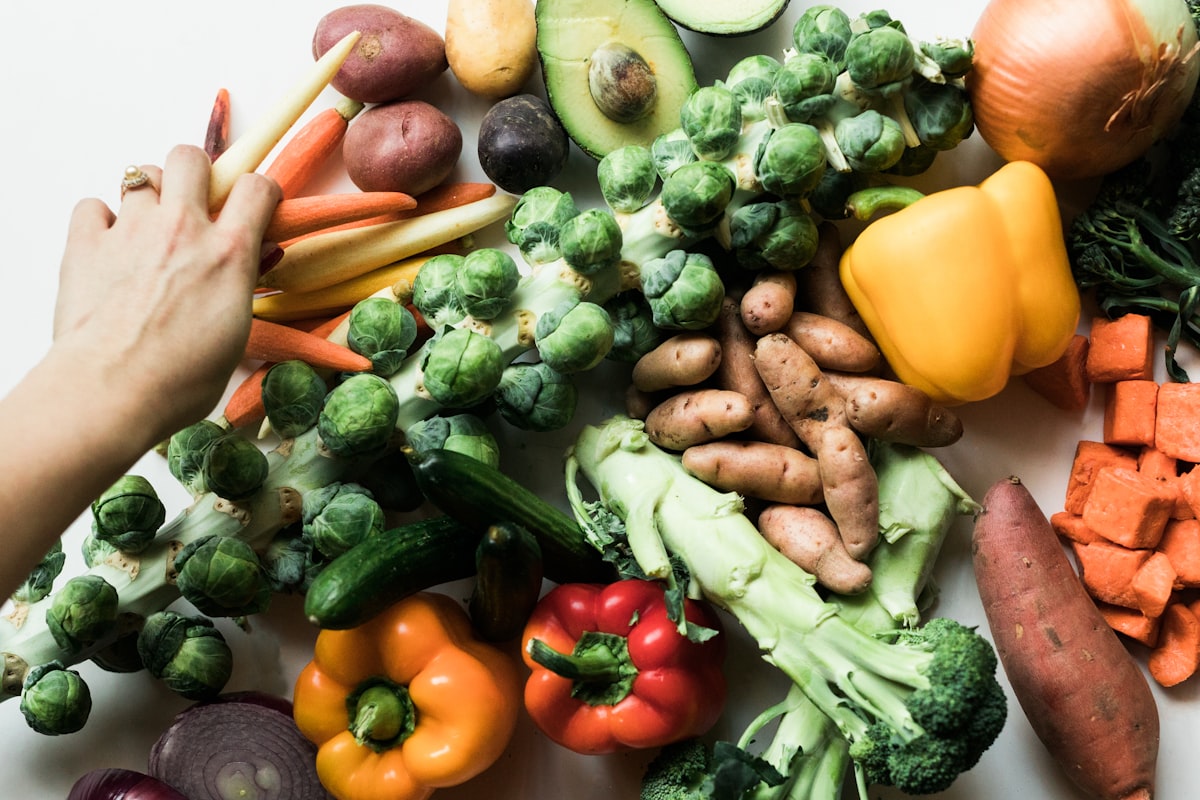
Packed with vitamins, minerals, and fiber, vegetables are nutritional powerhouses. Leafy greens provide iron and calcium, while colorful varieties offer different antioxidant benefits. Aim to eat a rainbow of colors throughout your week.
Learn more →
Fruits & Berries
Natural sources of vitamins, antioxidants, and fiber, fruits support energy and long-term wellness. Berries offer concentrated antioxidants, while whole fruits provide steady energy unlike juice. Choose whole fruits whenever possible.
Learn more →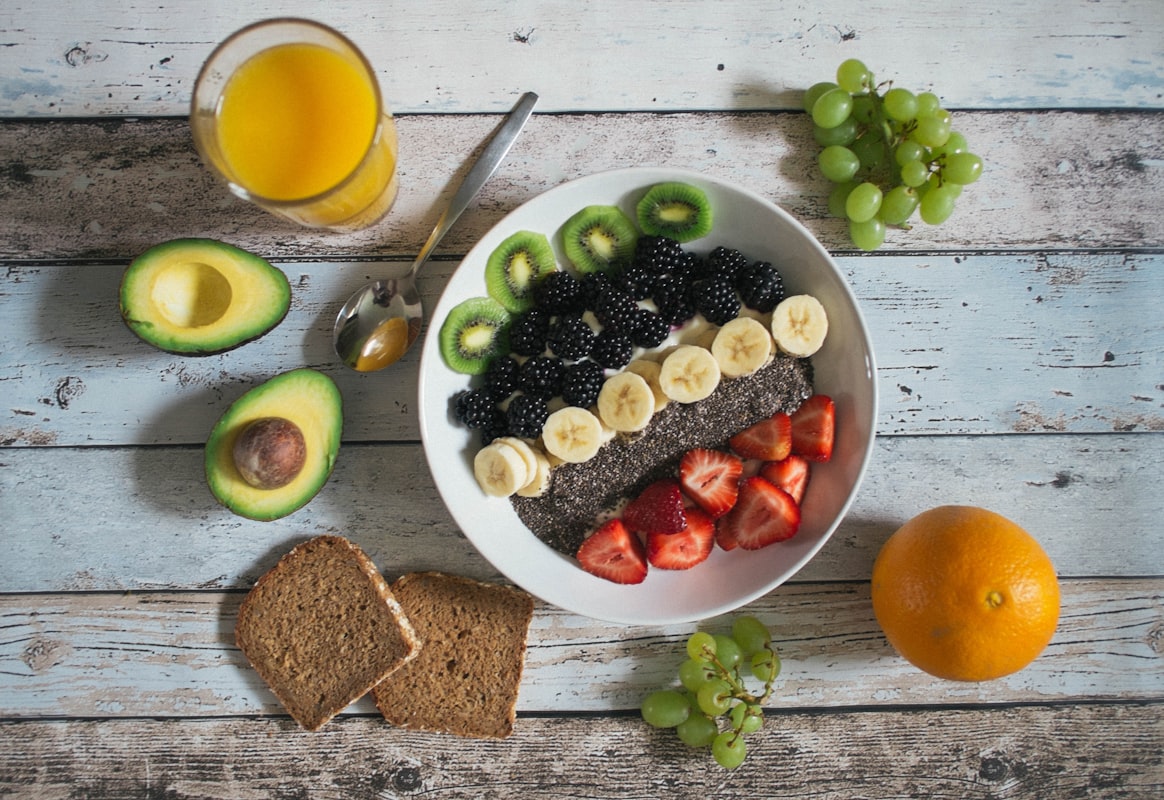
Protein Sources
From lean meats and fish to legumes and nuts, diverse protein sources offer various nutrient profiles. Fish provides omega-3s, legumes offer fiber, and eggs contain choline for brain health. Vary your sources throughout the week.
Learn more →
Whole Grains
Oats, quinoa, brown rice, and whole wheat provide sustained energy and fiber. Unlike refined grains, whole grains keep blood sugar stable and support digestive health. Make the switch gradually for best results.
Learn more →
Healthy Fats
Olive oil, avocados, nuts, and fatty fish provide essential fats your body cannot make. These support hormone production, nutrient absorption, and brain function. Include healthy fats in every meal for optimal nutrition.
Learn more →
Dairy & Alternatives
Yogurt, milk, and cheese provide calcium and protein for bone health. Plant-based alternatives like fortified almond or soy milk offer comparable nutrition. Choose options that work best for your body and preferences.
Learn more →Nutrition Tips for Different Life Stages
Teens & Young Adults
During these growth years, calcium and iron become critical. Include dairy or fortified alternatives, lean proteins, and iron-rich foods. Establish healthy habits now that will serve you throughout life. Don't skip meals or rely on processed foods.
- Dairy products for bone development
- Iron-rich foods to support energy
- Whole foods instead of processed snacks
Reproductive Years
For menstruating women, iron intake becomes especially important. Focus on nutrient-dense foods that support hormonal balance and energy. If considering pregnancy, ensure adequate folate, calcium, and overall nutritional status. Listen to your body's changing needs.
- Iron-rich foods and vitamin C to enhance absorption
- Folate-rich foods for cellular health
- Omega-3 fats for hormonal support
Perimenopause & Menopause
Hormonal shifts require nutritional adjustments. Calcium becomes critical for bone health, while foods with phytoestrogens may help with transitions. Maintain adequate protein, prioritize hydration, and be mindful of changing energy needs. This phase requires compassionate, nourishing nutrition.
- Calcium and vitamin D for bone preservation
- Soy, flaxseed, and other phytoestrogenic foods